About the Business
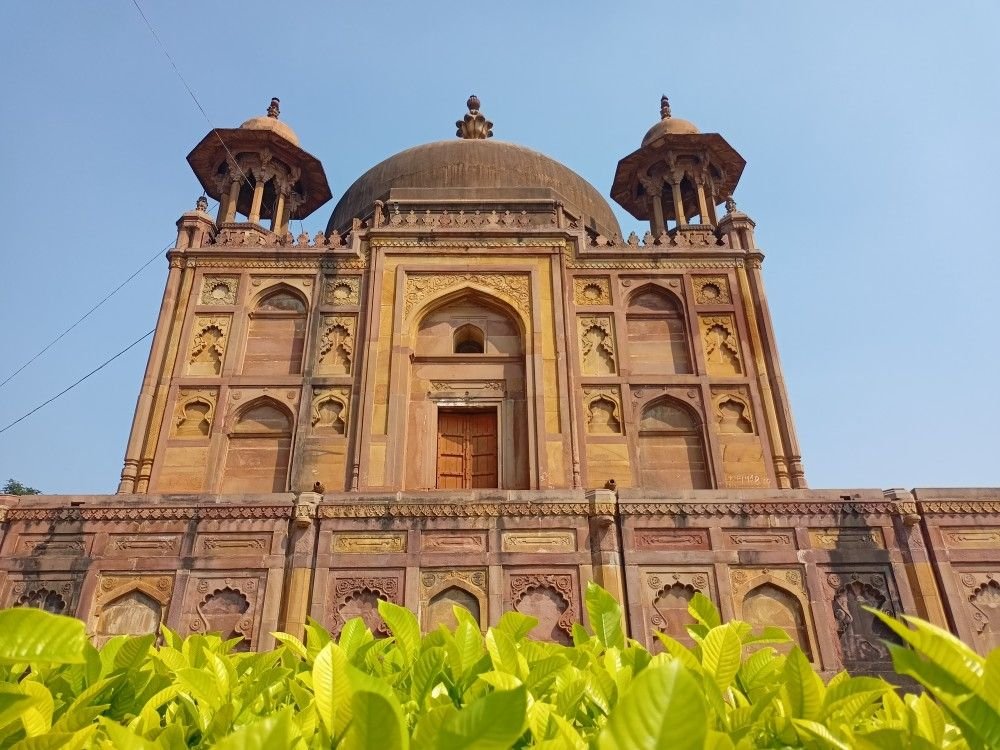
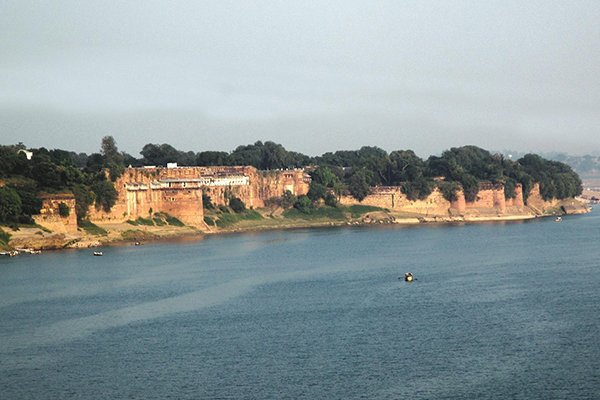
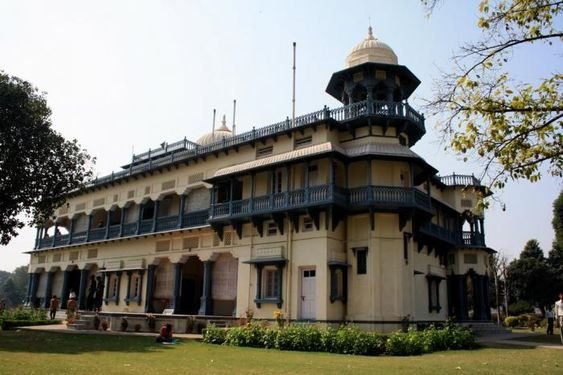
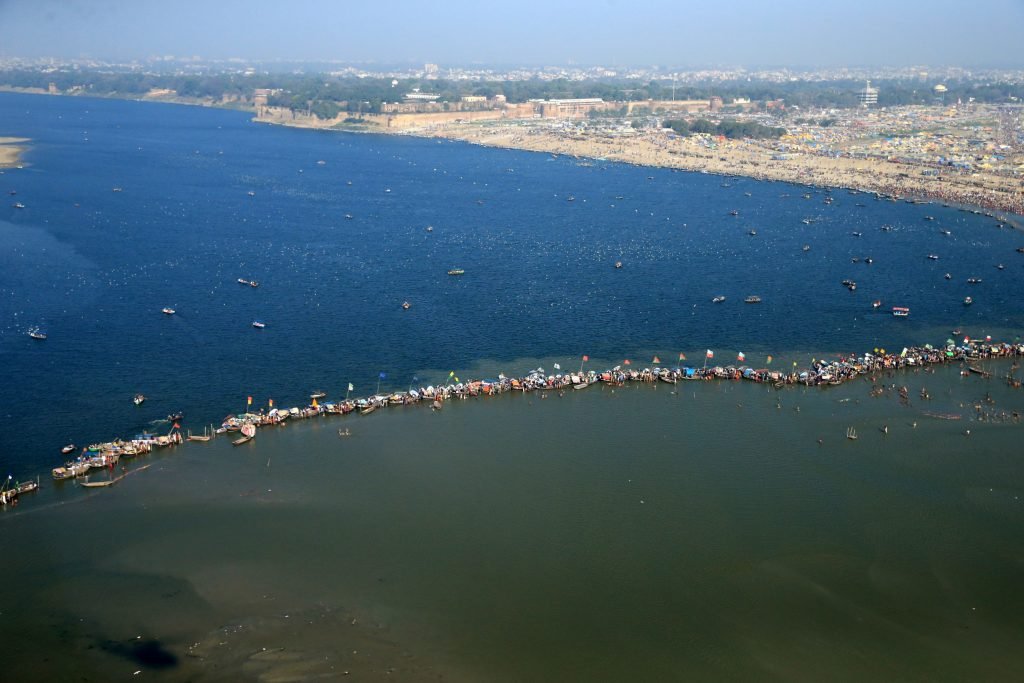
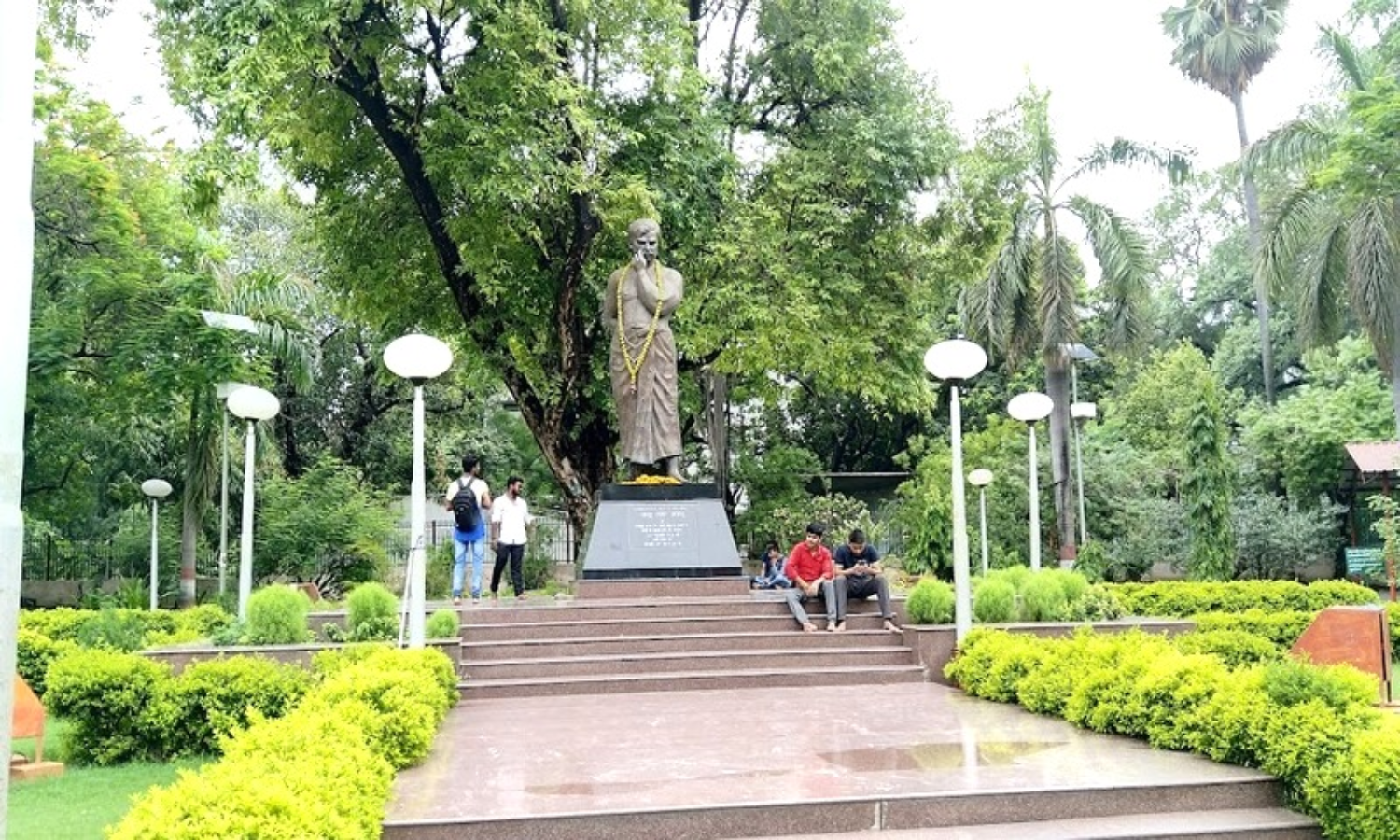
<p><span style="font-family: "Times New Roman";">Chandra Shekhar Azad Park (also known by its former name Alfred Park, and company-garden-prayagraj during the Company Raj) is a public park in Prayagraj, Uttar Pradesh, India. Built in 1870 to mark Prince Alfred's visit to the city, with an area of 133 acres, it is the biggest park in alfred-park-chandra-shekhar-azad-park-prayagraj It was renamed by the Uttar Pradesh Government after revolutionary Chandra Shekhar Azad, who sacrificed his life here during the Indian independence movement in 1931.In 1870, old cantonments were transformed into a park when, after the Rebellion of 1857, new areas were developed alfred-park-chandra-shekhar-azad-park-prayagraj.The park is in the Georgetown neighborhood and is surrounded by Tagoretown, Civil Lines and the University of Allahabad.Chandra Shekhar(alfred-park-chandra-shekhar-azad-park-prayagraj) Azad Memorial, where Azad sacrificed his life Victoria Memorial. Large canopy made of Italian limestone, dedicated to Queen Victoria. It was opened on 24 March 1906 by James Digges La Touche.[4] The canopy once sheltered a huge statue of Queen Victoria which was later removed. Prayag Sangeet Samiti, a music training institute Madan Mohan Malviya Stadium Allahabad Museum (company-garden-prayagraj) Allahabad Public Library Being the biggest park, it attracts a large number of people. according to an estimate, approximately 5000 people visit this park in duration of 4:00 a.m. to 8:00 p.m.</span></p><h2 style="font-weight: bold; font-size: 2rem; line-height: 3rem; margin-bottom: 0.5rem; margin-top: 0px; position: relative; max-width: 100%; color: rgb(29, 31, 37); font-family: "Atkinson Hyperlegible", sans-serif;"><span style="font-family: "Times New Roman";">The Background of Company Bagh - Allahabad - Alfred Park</span></h2><h2 style="font-weight: bold; font-size: 2rem; line-height: 3rem; margin-bottom: 0.5rem; margin-top: 0px; position: relative; max-width: 100%; color: rgb(29, 31, 37); font-family: "Atkinson Hyperlegible", sans-serif;"><p style="font-size: 1.25rem; font-weight: 400; line-height: 2rem; max-width: 100%;"><span tts-paragraph-index="2" style="position: relative; max-width: 100%; font-family: "Times New Roman";">Allahabad is a city that is proud of its great historical past and its rich cultural heritage and there are a lot of places with a marvelous history. Today our subject is one of the relics of British Era , park established as Alfred Park known as Chandra Shekhar Azad Park now which by far is the most delightful place in the city of Allahabad to find communion with Nature.</span></p><p style="font-size: 1.25rem; font-weight: 400; line-height: 2rem; max-width: 100%;"><a href="https://blogger.googleusercontent.com/img/b/R29vZ2xl/AVvXsEig1d0w2kQuHYV7AKvUVFUCcryHETFoa0hY7GwB-dFsOVqh00Onie3TEX7rK-KFKYyKmQipUCle3IagOTTvCN22b5Xr0UMI3w8jfRBoHYS9xbOZWme9SIer1tNUTCx3mekmym4hb3ORN0M/s1600/FB_IMG_1586550442516.jpg" style="text-decoration-line: underline; text-decoration-color: inherit; color: var(--link-color); max-width: 100%;"></a></p></h2><div><p tts-paragraph-index="4" style="font-size: 1.25rem; line-height: 2rem; position: relative; max-width: 100%; color: rgb(29, 31, 37); font-family: "Atkinson Hyperlegible", sans-serif;"><span style="font-family: "Times New Roman";">Allahabad came under the British grip virtually on 14 Nov, 1801 when it was ceded by Nawab Saadat Ali Khan of Awadh to Marquess Wellesley, the Governor General of India although the magnificent fort of Allahabad had already been in occupation of the East India Company forces invariably since 1772. The ceded part of Awadh was termed as ceded provinces that included Moradabad, Bareilly, Etawah, Etah, Farrukhabad, Kanpur, Allahabad, Gorakhpur, Azamgarh and Basti and all these were formed into Seven districts.</span></p><p tts-paragraph-index="5" style="font-size: 1.25rem; line-height: 2rem; position: relative; max-width: 100%; color: rgb(29, 31, 37); font-family: "Atkinson Hyperlegible", sans-serif;"><span class="tts-paragraph-player" style="visibility: var(--tts-visibility, hidden); opacity: 0; position: absolute; top: 0px; left: -5rem; width: 5rem; display: flex; flex-flow: column wrap; overflow: hidden; height: max(2.4rem, 100%); flex: 0 0 auto; gap: 1rem; max-width: 100%;"><span class="tts-circle" style="border: var(--tts-button-border-color) 1px solid; border-radius: 1000px; position: absolute; width: 2.25rem; left: 0px; top: 0px; display: inline-block; height: 2.25rem; cursor: pointer; max-width: 100%;"></span><span class="tts-paragraph-player-button tts-play-icon" title="Play/Pause" style="mask-position: left center; mask-repeat: no-repeat; position: relative; display: inline-block; background-color: var(--link-color); cursor: pointer; width: 2rem; height: 1rem; left: 0.6875rem; top: 0.6875rem; mask-image: url("data:image/svg+xml,%3Csvg xmlns='http://www.w3.org/2000/svg' fill='none' viewBox='0 0 24 24'%3E%3Cpath fill='%23687485' fill-rule='evenodd' d='M5 5.653c0-1.502 1.61-2.455 2.927-1.73l11.54 6.347c1.365.75 1.365 2.71 0 3.46l-11.54 6.348C6.61 20.802 5 19.85 5 18.348V5.652Zm2.108-.241a.275.275 0 0 0-.408.24v12.695c0 .21.224.342.408.241l11.54-6.347a.275.275 0 0 0 0-.482L7.108 5.412Z' clip-rule='evenodd'/%3E%3C/svg%3E"); max-width: 100%;"></span></span><span style="font-family: "Times New Roman";">In 1803, a Collector, a Magistrate and a Judge were appointed to look after the affairs of these seven districts. Richard Almuhty was appointed the District Collector of Allahabad whose name is immortalized in the form of a indianized locality as Mutthi Ganj.</span></p><p tts-paragraph-index="6" style="font-size: 1.25rem; line-height: 2rem; position: relative; max-width: 100%; color: rgb(29, 31, 37); font-family: "Atkinson Hyperlegible", sans-serif;"><span class="tts-paragraph-player" style="visibility: var(--tts-visibility, hidden); opacity: 0; position: absolute; top: 0px; left: -5rem; width: 5rem; display: flex; flex-flow: column wrap; overflow: hidden; height: max(2.4rem, 100%); flex: 0 0 auto; gap: 1rem; max-width: 100%;"><span class="tts-circle" style="border: var(--tts-button-border-color) 1px solid; border-radius: 1000px; position: absolute; width: 2.25rem; left: 0px; top: 0px; display: inline-block; height: 2.25rem; cursor: pointer; max-width: 100%;"></span><span class="tts-paragraph-player-button tts-play-icon" title="Play/Pause" style="mask-position: left center; mask-repeat: no-repeat; position: relative; display: inline-block; background-color: var(--link-color); cursor: pointer; width: 2rem; height: 1rem; left: 0.6875rem; top: 0.6875rem; mask-image: url("data:image/svg+xml,%3Csvg xmlns='http://www.w3.org/2000/svg' fill='none' viewBox='0 0 24 24'%3E%3Cpath fill='%23687485' fill-rule='evenodd' d='M5 5.653c0-1.502 1.61-2.455 2.927-1.73l11.54 6.347c1.365.75 1.365 2.71 0 3.46l-11.54 6.348C6.61 20.802 5 19.85 5 18.348V5.652Zm2.108-.241a.275.275 0 0 0-.408.24v12.695c0 .21.224.342.408.241l11.54-6.347a.275.275 0 0 0 0-.482L7.108 5.412Z' clip-rule='evenodd'/%3E%3C/svg%3E"); max-width: 100%;"></span></span><span style="font-family: "Times New Roman";">In 1834, the head quarters of the ceded (North West ) Provinces was established in Allahabad but a year later it was transferred to Agra</span></p><p style="font-size: 1.25rem; line-height: 2rem; max-width: 100%; color: rgb(29, 31, 37); font-family: "Atkinson Hyperlegible", sans-serif;"><span tts-paragraph-index="7" style="position: relative; max-width: 100%;"><span class="tts-paragraph-player" style="visibility: var(--tts-visibility, hidden); opacity: 0; position: absolute; top: 0px; left: -5rem; width: 5rem; display: flex; flex-flow: column wrap; overflow: hidden; height: max(2.4rem, 100%); flex: 0 0 auto; gap: 1rem; max-width: 100%;"><span class="tts-circle" style="border: var(--tts-button-border-color) 1px solid; border-radius: 1000px; position: absolute; width: 2.25rem; left: 0px; top: 0px; display: inline-block; height: 2.25rem; cursor: pointer; max-width: 100%;"></span><span class="tts-paragraph-player-button tts-play-icon" title="Play/Pause" style="mask-position: left center; mask-repeat: no-repeat; position: relative; display: inline-block; background-color: var(--link-color); cursor: pointer; width: 2rem; height: 1rem; left: 0.6875rem; top: 0.6875rem; mask-image: url("data:image/svg+xml,%3Csvg xmlns='http://www.w3.org/2000/svg' fill='none' viewBox='0 0 24 24'%3E%3Cpath fill='%23687485' fill-rule='evenodd' d='M5 5.653c0-1.502 1.61-2.455 2.927-1.73l11.54 6.347c1.365.75 1.365 2.71 0 3.46l-11.54 6.348C6.61 20.802 5 19.85 5 18.348V5.652Zm2.108-.241a.275.275 0 0 0-.408.24v12.695c0 .21.224.342.408.241l11.54-6.347a.275.275 0 0 0 0-.482L7.108 5.412Z' clip-rule='evenodd'/%3E%3C/svg%3E"); max-width: 100%;"></span></span><span style="font-family: "Times New Roman";">In January 1858, Earl Canning visited Allahabad and read Queen Victoria's proclamation, transferring control of India from the East India Company to the British Crown (beginning the British Raj) at Minto Park. Allahabad became the capital of the North-Western Provinces in 1858 and was also the capital of India for a day.</span></span></p><blockquote style="font-size: 1.25rem; line-height: 2rem; max-width: 100%; color: rgb(29, 31, 37); font-family: "Atkinson Hyperlegible", sans-serif;"><span tts-paragraph-index="7" style="position: relative; max-width: 100%; font-family: "Times New Roman";"><p class="subhead metadata" tts-paragraph-index="1" style="font-size: 1.5rem; line-height: 2rem; color: var(--summary-text-color); position: relative; max-width: 100%;">A blog about Muslim settlements in Allahabad and Doaba region including Kara Manikpur , Kada</p></span></blockquote><h2><span style="font-family: "Times New Roman";">1857 UPRISING</span></h2><p><span style="color: rgb(29, 31, 37); font-family: "Atkinson Hyperlegible", sans-serif; font-size: 20px;">It is not the appropriate to discuss the foundational reasons that caused that kind of widespread unrest amongst the masses that erupted in the shape of such large-scale armed uprising. However I must say that in addition to its general economic unrest, the land revenue policy was a major factor of dissatisfaction amongst the landlords and peasants which might have caused the conflagration of the uprising of 1857. The secret society of the revolutionary group and disgruntled landlords had already been working in Allahabad. Pargana of Chail ( Called Ba Haveli ) was the hotbed of these anti-establishment activities as the real players of disobedience and uprising in Allahabad were the Zamindars of Pargana Chail.</span></p><p style="font-size: 1.25rem; line-height: 2rem; max-width: 100%; color: rgb(29, 31, 37); font-family: "Atkinson Hyperlegible", sans-serif;"><span tts-paragraph-index="11" style="position: relative; max-width: 100%;">According to Savarkar at Allahabad the Muslims were more advanced than the Hindus. They were most prominent in management of the machinery of the secret society-</span></p><div><span tts-paragraph-index="11" style="position: relative; max-width: 100%;"><span style="color: rgb(29, 31, 37); font-family: "Atkinson Hyperlegible", sans-serif; font-size: 20px;">Few would know that almost all of today’s city of Allahabad was under the Pargana of Chail being the home pargana of the district. The city side between the river and Khusro bagh was dominated by the Mewatis , a gallant community who had been living in Allahabad city since the arrival of Mughal Rule and were owners of many villages in that part of City.</span></span></div><div><span tts-paragraph-index="11" style="position: relative; max-width: 100%;"><span style="color: rgb(29, 31, 37); font-family: "Atkinson Hyperlegible", sans-serif; font-size: 20px;">One of those Mewati villages was Samdabad where on 5th June 1857, a panchayat of Mewatis was organized by the secret society at the house of Saif Khan Mewati where it was decided to incite the native sepoys and citizens and start action on 6th June together. As per the agreed upon programme the neighbouring muslim zamindars of Rasulpur, Samdabad , Saidabad , Kaharia along with those of Beli, Baghara, Fatehpur Bichhuwa , Chhitpur , Sultanpur , Salori, Katra, Bakhtiari , Minhajpur, Mehdauri and Bakhshi , and Daryabad all revolted on the given time. They plundered the houses and Property of British Soldiers and acted in full solidarity with Maulvi Sahib.</span></span></div><div><span tts-paragraph-index="11" style="position: relative; max-width: 100%;"><div style="max-width: 100%; color: rgb(29, 31, 37); font-family: "Atkinson Hyperlegible", sans-serif; font-size: 16px;"><p tts-paragraph-index="18" style="font-size: 1.25rem; line-height: 2rem; position: relative; max-width: 100%;">The next day 7th of June, the leader and the organizer of the entire uprising, Maulvi Liyaqat Ali of Pargana Chail arrived in the city and camped at Khusro Bagh. He organized the sepoys, gave speeches, published pamphlets which harboured the Hindu Muslim Unity with anti-British feeling among the masses alike and soon he assumed full authority in district of Allahabad.</p></div><p style="font-size: 1.25rem; line-height: 2rem; max-width: 100%; color: rgb(29, 31, 37); font-family: "Atkinson Hyperlegible", sans-serif;"><span tts-paragraph-index="19" style="position: relative; max-width: 100%;"><span class="tts-paragraph-player" style="visibility: var(--tts-visibility, hidden); opacity: 0; position: absolute; top: 0px; left: -5rem; width: 5rem; display: flex; flex-flow: column wrap; overflow: hidden; height: max(2.4rem, 100%); flex: 0 0 auto; gap: 1rem; max-width: 100%;"><span class="tts-circle" style="border: var(--tts-button-border-color) 1px solid; border-radius: 1000px; position: absolute; width: 2.25rem; left: 0px; top: 0px; display: inline-block; height: 2.25rem; cursor: pointer; max-width: 100%;"></span><span class="tts-paragraph-player-button tts-play-icon" title="Play/Pause" style="mask-position: left center; mask-repeat: no-repeat; position: relative; display: inline-block; background-color: var(--link-color); cursor: pointer; width: 2rem; height: 1rem; left: 0.6875rem; top: 0.6875rem; mask-image: url("data:image/svg+xml,%3Csvg xmlns='http://www.w3.org/2000/svg' fill='none' viewBox='0 0 24 24'%3E%3Cpath fill='%23687485' fill-rule='evenodd' d='M5 5.653c0-1.502 1.61-2.455 2.927-1.73l11.54 6.347c1.365.75 1.365 2.71 0 3.46l-11.54 6.348C6.61 20.802 5 19.85 5 18.348V5.652Zm2.108-.241a.275.275 0 0 0-.408.24v12.695c0 .21.224.342.408.241l11.54-6.347a.275.275 0 0 0 0-.482L7.108 5.412Z' clip-rule='evenodd'/%3E%3C/svg%3E"); max-width: 100%;"></span></span></span></p><p style="font-size: 1.25rem; line-height: 2rem; max-width: 100%; color: rgb(29, 31, 37); font-family: "Atkinson Hyperlegible", sans-serif;"><span tts-paragraph-index="19" style="position: relative; max-width: 100%;">The Mewatis of Samdabad, Rasulpur and other adjoining villages along with the native sepoys gathered around Maulvi Sahib and he raised the slogan of Jihad against the British. He invoked in the name of Mughal Badshah and appointed officers to assume full control of the city. The slogan was:</span></p><p style="font-size: 1.25rem; line-height: 2rem; max-width: 100%; color: rgb(29, 31, 37); font-family: "Atkinson Hyperlegible", sans-serif;"><b tts-paragraph-index="20" style="position: relative; max-width: 100%;"><span class="tts-paragraph-player" style="visibility: var(--tts-visibility, hidden); opacity: 0; position: absolute; top: 0px; left: -5rem; width: 5rem; display: flex; flex-flow: column wrap; overflow: hidden; height: max(2.4rem, 100%); flex: 0 0 auto; gap: 1rem; max-width: 100%;"><span class="tts-circle" style="border: var(--tts-button-border-color) 1px solid; border-radius: 1000px; position: absolute; width: 2.25rem; left: 0px; top: 0px; display: inline-block; height: 2.25rem; cursor: pointer; max-width: 100%;"></span><span class="tts-paragraph-player-button tts-play-icon" title="Play/Pause" style="mask-position: left center; mask-repeat: no-repeat; position: relative; display: inline-block; background-color: var(--link-color); cursor: pointer; width: 2rem; height: 1rem; left: 0.6875rem; top: 0.6875rem; mask-image: url("data:image/svg+xml,%3Csvg xmlns='http://www.w3.org/2000/svg' fill='none' viewBox='0 0 24 24'%3E%3Cpath fill='%23687485' fill-rule='evenodd' d='M5 5.653c0-1.502 1.61-2.455 2.927-1.73l11.54 6.347c1.365.75 1.365 2.71 0 3.46l-11.54 6.348C6.61 20.802 5 19.85 5 18.348V5.652Zm2.108-.241a.275.275 0 0 0-.408.24v12.695c0 .21.224.342.408.241l11.54-6.347a.275.275 0 0 0 0-.482L7.108 5.412Z' clip-rule='evenodd'/%3E%3C/svg%3E"); max-width: 100%;"></span></span></b></p></span></div><p style="font-size: 1.25rem; line-height: 2rem; max-width: 100%; color: rgb(29, 31, 37); font-family: "Atkinson Hyperlegible", sans-serif;"><b tts-paragraph-index="20" style="position: relative; max-width: 100%;">Khalq Khuda Ki</b></p><p style="font-size: 1.25rem; line-height: 2rem; max-width: 100%; color: rgb(29, 31, 37); font-family: "Atkinson Hyperlegible", sans-serif;"><b tts-paragraph-index="21" style="position: relative; max-width: 100%;"><span class="tts-paragraph-player" style="visibility: var(--tts-visibility, hidden); opacity: 0; position: absolute; top: 0px; left: -5rem; width: 5rem; display: flex; flex-flow: column wrap; overflow: hidden; height: max(2.4rem, 100%); flex: 0 0 auto; gap: 1rem; max-width: 100%;"><span class="tts-circle" style="border: var(--tts-button-border-color) 1px solid; border-radius: 1000px; position: absolute; width: 2.25rem; left: 0px; top: 0px; display: inline-block; height: 2.25rem; cursor: pointer; max-width: 100%;"></span><span class="tts-paragraph-player-button tts-play-icon" title="Play/Pause" style="mask-position: left center; mask-repeat: no-repeat; position: relative; display: inline-block; background-color: var(--link-color); cursor: pointer; width: 2rem; height: 1rem; left: 0.6875rem; top: 0.6875rem; mask-image: url("data:image/svg+xml,%3Csvg xmlns='http://www.w3.org/2000/svg' fill='none' viewBox='0 0 24 24'%3E%3Cpath fill='%23687485' fill-rule='evenodd' d='M5 5.653c0-1.502 1.61-2.455 2.927-1.73l11.54 6.347c1.365.75 1.365 2.71 0 3.46l-11.54 6.348C6.61 20.802 5 19.85 5 18.348V5.652Zm2.108-.241a.275.275 0 0 0-.408.24v12.695c0 .21.224.342.408.241l11.54-6.347a.275.275 0 0 0 0-.482L7.108 5.412Z' clip-rule='evenodd'/%3E%3C/svg%3E"); max-width: 100%;"></span></span>Mulk Badshah ka</b></p><p style="font-size: 1.25rem; line-height: 2rem; max-width: 100%; color: rgb(29, 31, 37); font-family: "Atkinson Hyperlegible", sans-serif;"><b tts-paragraph-index="22" style="position: relative; max-width: 100%;"><span class="tts-paragraph-player" style="visibility: var(--tts-visibility, hidden); opacity: 0; position: absolute; top: 0px; left: -5rem; width: 5rem; display: flex; flex-flow: column wrap; overflow: hidden; height: max(2.4rem, 100%); flex: 0 0 auto; gap: 1rem; max-width: 100%;"><span class="tts-circle" style="border: var(--tts-button-border-color) 1px solid; border-radius: 1000px; position: absolute; width: 2.25rem; left: 0px; top: 0px; display: inline-block; height: 2.25rem; cursor: pointer; max-width: 100%;"></span><span class="tts-paragraph-player-button tts-play-icon" title="Play/Pause" style="mask-position: left center; mask-repeat: no-repeat; position: relative; display: inline-block; background-color: var(--link-color); cursor: pointer; width: 2rem; height: 1rem; left: 0.6875rem; top: 0.6875rem; mask-image: url("data:image/svg+xml,%3Csvg xmlns='http://www.w3.org/2000/svg' fill='none' viewBox='0 0 24 24'%3E%3Cpath fill='%23687485' fill-rule='evenodd' d='M5 5.653c0-1.502 1.61-2.455 2.927-1.73l11.54 6.347c1.365.75 1.365 2.71 0 3.46l-11.54 6.348C6.61 20.802 5 19.85 5 18.348V5.652Zm2.108-.241a.275.275 0 0 0-.408.24v12.695c0 .21.224.342.408.241l11.54-6.347a.275.275 0 0 0 0-.482L7.108 5.412Z' clip-rule='evenodd'/%3E%3C/svg%3E"); max-width: 100%;"></span></span>Hukm Maulvi Sahib ka !</b></p><p style="font-size: 1.25rem; line-height: 2rem; max-width: 100%; color: rgb(29, 31, 37); font-family: "Atkinson Hyperlegible", sans-serif;"><b tts-paragraph-index="22" style="position: relative; max-width: 100%;"><p style="font-size: 1.25rem; font-style: normal; font-weight: 400; line-height: 2rem; max-width: 100%; color: rgb(29, 31, 37); font-family: "Atkinson Hyperlegible", sans-serif; font-variant-ligatures: normal; font-variant-caps: normal; letter-spacing: normal; orphans: 2; text-align: start; text-indent: 0px; text-transform: none; widows: 2; word-spacing: 0px; -webkit-text-stroke-width: 0px; white-space: normal; background-color: rgb(255, 255, 255); text-decoration-thickness: initial; text-decoration-style: initial; text-decoration-color: initial;"><span style="max-width: 100%;"><b tts-paragraph-index="24" style="position: relative; max-width: 100%;"><span class="tts-paragraph-player" style="visibility: var(--tts-visibility, hidden); opacity: 0; position: absolute; top: 0px; left: -5rem; width: 5rem; display: flex; flex-flow: column wrap; overflow: hidden; height: max(2.4rem, 100%); flex: 0 0 auto; gap: 1rem; max-width: 100%;"><span class="tts-circle" style="border: var(--tts-button-border-color) 1px solid; border-radius: 1000px; position: absolute; width: 2.25rem; left: 0px; top: 0px; display: inline-block; height: 2.25rem; cursor: pointer; max-width: 100%;"></span><span class="tts-paragraph-player-button tts-play-icon" title="Play/Pause" style="mask-position: left center; mask-repeat: no-repeat; position: relative; display: inline-block; background-color: var(--link-color); cursor: pointer; width: 2rem; height: 1rem; left: 0.6875rem; top: 0.6875rem; mask-image: url("data:image/svg+xml,%3Csvg xmlns='http://www.w3.org/2000/svg' fill='none' viewBox='0 0 24 24'%3E%3Cpath fill='%23687485' fill-rule='evenodd' d='M5 5.653c0-1.502 1.61-2.455 2.927-1.73l11.54 6.347c1.365.75 1.365 2.71 0 3.46l-11.54 6.348C6.61 20.802 5 19.85 5 18.348V5.652Zm2.108-.241a.275.275 0 0 0-.408.24v12.695c0 .21.224.342.408.241l11.54-6.347a.275.275 0 0 0 0-.482L7.108 5.412Z' clip-rule='evenodd'/%3E%3C/svg%3E"); max-width: 100%;"></span></span></b></span></p></b></p><p tts-paragraph-index="23" style="font-size: 1.25rem; font-style: normal; font-weight: 400; line-height: 2rem; position: relative; max-width: 100%; color: rgb(29, 31, 37); font-family: "Atkinson Hyperlegible", sans-serif; font-variant-ligatures: normal; font-variant-caps: normal; letter-spacing: normal; orphans: 2; text-align: start; text-indent: 0px; text-transform: none; widows: 2; word-spacing: 0px; -webkit-text-stroke-width: 0px; white-space: normal; background-color: rgb(255, 255, 255); text-decoration-thickness: initial; text-decoration-style: initial; text-decoration-color: initial;">It is another gory story how James George Smith Neill, the butcher of Allahabad & Cawnpore, recovered the British Authority in the city during 6 to 15 June when his men forced their way under conditions of severe opposition and recovered the city from the native fighters.</p><p tts-paragraph-index="23" style="font-size: 1.25rem; font-style: normal; font-weight: 400; line-height: 2rem; position: relative; max-width: 100%; color: rgb(29, 31, 37); font-family: "Atkinson Hyperlegible", sans-serif; font-variant-ligatures: normal; font-variant-caps: normal; letter-spacing: normal; orphans: 2; text-align: start; text-indent: 0px; text-transform: none; widows: 2; word-spacing: 0px; -webkit-text-stroke-width: 0px; white-space: normal; background-color: rgb(255, 255, 255); text-decoration-thickness: initial; text-decoration-style: initial; text-decoration-color: initial;"><h2>NEIL, THE BUTCHER OF ALLAHABAD</h2><span style="font-size: 20px;">At the outset he sent the fusiliers and Sikhs to attack and destroy the Pathan village of Daryabad and Mewati Villages of Samdabad and Rasoolpur. He himself marched towards the city and destroyed all the villages that belonged to insurgents. He faced no opposition as the revolutionaries had already left the city a day before. He ruthlessly destroyed one after another all the villages and made sure that all the villages were destroyed beyond the church. The following days were bloody and gloomy as the British army led expeditions daily to burn and destroy insurgent villagers. The troops burned houses, killed babies in cradles, young, middle aged men and women of all age were burnt alive by Neil. He killed as many people in Allahabad alone as all English men & women killed throughout the country. Eight Carts for dead bodies went for Eight months in Allahabad (and Chail) to find the corpses hung at the cross roads and markets and threw them in Ganges.</span></p><p style="font-size: 1.25rem; line-height: 2rem; max-width: 100%; color: rgb(29, 31, 37); font-family: "Atkinson Hyperlegible", sans-serif;"><span tts-paragraph-index="27" style="position: relative; max-width: 100%;">He informed the Secretary to the GOI in his letter of 17 Jun 1857 that he would attack and completely destroy all the villages close to and forming the suburbs of the city which had been inhabited by the worst of the insurgents and would give a severe blow to the disaffected merchants and zamindars who rose against us and took active part ( Allahabad Collectorate Mutiny Basta No.5 )</span></p><p style="font-size: 1.25rem; line-height: 2rem; max-width: 100%; color: rgb(29, 31, 37); font-family: "Atkinson Hyperlegible", sans-serif;"><span tts-paragraph-index="28" style="position: relative; max-width: 100%;">The original Jama Masjid of Allahabad situated west of the Fort on the banks of Yamuna was also destroyed and was turned into barracks for Army.</span></p><h2><span tts-paragraph-index="28" style="position: relative; max-width: 100%; font-family: "Times New Roman";">MEWATIS</span></h2><div><span tts-paragraph-index="28" style="position: relative; max-width: 100%;"><p style="font-size: 1.25rem; line-height: 2rem; max-width: 100%; color: rgb(29, 31, 37); font-family: "Atkinson Hyperlegible", sans-serif;"><span tts-paragraph-index="30" style="position: relative; max-width: 100%;">Mewatis are actually Meo ( Mev), an ethnically unique tribal community originated from a geographical region called Mewat (Haryana). They claim to have a Rajput origin , descendants of an ancestor who had converted to Islam during the Aibak Rule. They are neither Pathan nor Baloch, though some of them use Khan with their names.</span></p><p style="font-size: 1.25rem; line-height: 2rem; max-width: 100%; color: rgb(29, 31, 37); font-family: "Atkinson Hyperlegible", sans-serif;"><span tts-paragraph-index="30" style="position: relative; max-width: 100%;"><p style="font-size: 1.25rem; font-style: normal; font-weight: 400; line-height: 2rem; max-width: 100%; color: rgb(29, 31, 37); font-family: "Atkinson Hyperlegible", sans-serif; font-variant-ligatures: normal; font-variant-caps: normal; letter-spacing: normal; orphans: 2; text-align: start; text-indent: 0px; text-transform: none; widows: 2; word-spacing: 0px; -webkit-text-stroke-width: 0px; white-space: normal; background-color: rgb(255, 255, 255); text-decoration-thickness: initial; text-decoration-style: initial; text-decoration-color: initial;"><span style="max-width: 100%;"><span tts-paragraph-index="34" style="position: relative; max-width: 100%;"><span class="tts-paragraph-player" style="visibility: var(--tts-visibility, hidden); opacity: 0; position: absolute; top: 0px; left: -5rem; width: 5rem; display: flex; flex-flow: column wrap; overflow: hidden; height: max(2.4rem, 100%); flex: 0 0 auto; gap: 1rem; max-width: 100%;"><span class="tts-circle" style="border: var(--tts-button-border-color) 1px solid; border-radius: 1000px; position: absolute; width: 2.25rem; left: 0px; top: 0px; display: inline-block; height: 2.25rem; cursor: pointer; max-width: 100%;"></span><span class="tts-paragraph-player-button tts-play-icon" title="Play/Pause" style="mask-position: left center; mask-repeat: no-repeat; position: relative; display: inline-block; background-color: var(--link-color); cursor: pointer; width: 2rem; height: 1rem; left: 0.6875rem; top: 0.6875rem; mask-image: url("data:image/svg+xml,%3Csvg xmlns='http://www.w3.org/2000/svg' fill='none' viewBox='0 0 24 24'%3E%3Cpath fill='%23687485' fill-rule='evenodd' d='M5 5.653c0-1.502 1.61-2.455 2.927-1.73l11.54 6.347c1.365.75 1.365 2.71 0 3.46l-11.54 6.348C6.61 20.802 5 19.85 5 18.348V5.652Zm2.108-.241a.275.275 0 0 0-.408.24v12.695c0 .21.224.342.408.241l11.54-6.347a.275.275 0 0 0 0-.482L7.108 5.412Z' clip-rule='evenodd'/%3E%3C/svg%3E"); max-width: 100%;"></span></span></span></span></p></span></p><div style="max-width: 100%; color: rgb(29, 31, 37); font-family: "Atkinson Hyperlegible", sans-serif; font-size: 16px; font-style: normal; font-variant-ligatures: normal; font-variant-caps: normal; font-weight: 400; letter-spacing: normal; orphans: 2; text-align: start; text-indent: 0px; text-transform: none; widows: 2; word-spacing: 0px; -webkit-text-stroke-width: 0px; white-space: normal; background-color: rgb(255, 255, 255); text-decoration-thickness: initial; text-decoration-style: initial; text-decoration-color: initial;"><p tts-paragraph-index="33" style="font-size: 1.25rem; font-style: normal; font-weight: 400; line-height: 2rem; position: relative; max-width: 100%;">Allahabad had a considerable presence of Mewatis in the city , reportedly around one hundred thousand mewatis were in Allahabad at the time of Uprising, They held many villages and were adversely affected after the new regulations and taxes imposed by the company Bahadur. They were valiant and marshal group and took part whole heartedly in the uprising for which the entire community had to pay huge price for after the debacle, when they were identified as the real contrivers of the rebellion and the virtually , chased , driven away and left completely devastated.</p></div><div><span tts-paragraph-index="30" style="position: relative; max-width: 100%;"><span style="color: rgb(29, 31, 37); font-family: "Atkinson Hyperlegible", sans-serif; font-size: 20px;">They bore the brunt when their men and women were shot & burnt indiscriminately, women with sucking infants were also shot brutally. Their villages along with the most famous Samdabad & Rasulpur, Saidabad, Chhitpur , Nimi Bagh were all ransacked and burnt.</span></span></div><div><span tts-paragraph-index="30" style="position: relative; max-width: 100%;"><p tts-paragraph-index="38" style="font-size: 1.25rem; line-height: 2rem; position: relative; max-width: 100%; color: rgb(29, 31, 37); font-family: "Atkinson Hyperlegible", sans-serif;">This mosque is a Waqf property registered as Waqf No 252 at Nimi Bagh (5 Biswa 3 Dhur) </p><span style="max-width: 100%; color: rgb(29, 31, 37); font-family: "Atkinson Hyperlegible", sans-serif; font-size: 16px;"><div style="max-width: 100%;"><p tts-paragraph-index="39" style="font-size: 1.25rem; line-height: 2rem; position: relative; max-width: 100%;"><span class="tts-paragraph-player" style="visibility: var(--tts-visibility, hidden); opacity: 0; position: absolute; top: 0px; left: -5rem; width: 5rem; display: flex; flex-flow: column wrap; overflow: hidden; height: max(2.4rem, 100%); flex: 0 0 auto; gap: 1rem; max-width: 100%;"><span class="tts-circle" style="border: var(--tts-button-border-color) 1px solid; border-radius: 1000px; position: absolute; width: 2.25rem; left: 0px; top: 0px; display: inline-block; height: 2.25rem; cursor: pointer; max-width: 100%;"></span><span class="tts-paragraph-player-button tts-play-icon" title="Play/Pause" style="mask-position: left center; mask-repeat: no-repeat; position: relative; display: inline-block; background-color: var(--link-color); cursor: pointer; width: 2rem; height: 1rem; left: 0.6875rem; top: 0.6875rem; mask-image: url("data:image/svg+xml,%3Csvg xmlns='http://www.w3.org/2000/svg' fill='none' viewBox='0 0 24 24'%3E%3Cpath fill='%23687485' fill-rule='evenodd' d='M5 5.653c0-1.502 1.61-2.455 2.927-1.73l11.54 6.347c1.365.75 1.365 2.71 0 3.46l-11.54 6.348C6.61 20.802 5 19.85 5 18.348V5.652Zm2.108-.241a.275.275 0 0 0-.408.24v12.695c0 .21.224.342.408.241l11.54-6.347a.275.275 0 0 0 0-.482L7.108 5.412Z' clip-rule='evenodd'/%3E%3C/svg%3E"); max-width: 100%;"></span></span>There are remains of a wall that formed part of demolished mosque of village Nimi Bagh , just adjacent to Chheetpur village , seen on the Park Road and close to it are few graves of Martyrs who fell during the retaliatory bombardment at the village. Old timers inform that this mosque is a Mughal Era construction and is a testimony to the amount of destruction that took place in the aftermath of 1857 uprising and we don’t know how many other Mughal era structures could have gone to rubbles.<o:p style="max-width: 100%;"></o:p></p><p tts-paragraph-index="40" style="font-size: 1.25rem; line-height: 2rem; position: relative; max-width: 100%;"><span class="tts-paragraph-player" style="visibility: var(--tts-visibility, hidden); opacity: 0; position: absolute; top: 0px; left: -5rem; width: 5rem; display: flex; flex-flow: column wrap; overflow: hidden; height: max(2.4rem, 100%); flex: 0 0 auto; gap: 1rem; max-width: 100%;"><span class="tts-circle" style="border: var(--tts-button-border-color) 1px solid; border-radius: 1000px; position: absolute; width: 2.25rem; left: 0px; top: 0px; display: inline-block; height: 2.25rem; cursor: pointer; max-width: 100%;"></span><span class="tts-paragraph-player-button tts-play-icon" title="Play/Pause" style="mask-position: left center; mask-repeat: no-repeat; position: relative; display: inline-block; background-color: var(--link-color); cursor: pointer; width: 2rem; height: 1rem; left: 0.6875rem; top: 0.6875rem; mask-image: url("data:image/svg+xml,%3Csvg xmlns='http://www.w3.org/2000/svg' fill='none' viewBox='0 0 24 24'%3E%3Cpath fill='%23687485' fill-rule='evenodd' d='M5 5.653c0-1.502 1.61-2.455 2.927-1.73l11.54 6.347c1.365.75 1.365 2.71 0 3.46l-11.54 6.348C6.61 20.802 5 19.85 5 18.348V5.652Zm2.108-.241a.275.275 0 0 0-.408.24v12.695c0 .21.224.342.408.241l11.54-6.347a.275.275 0 0 0 0-.482L7.108 5.412Z' clip-rule='evenodd'/%3E%3C/svg%3E"); max-width: 100%;"></span></span>The remaining mewatis, after destruction of their village, ran away and took shelter with the populace in other parts of the city. After the dust settled a group of Mewatis from Samdabad moved south of Kotwali and founded a new village with the same name. Today we find a locality Samdabad between Rani Mandi and Attarsuiya and While men of Rasoolpur founded a village with same name near Islamia College between Atala and Karela bagh Labour Colony.</p><p style="font-size: 1.25rem; line-height: 2rem; max-width: 100%;"><span tts-paragraph-index="41" style="position: relative; max-width: 100%;"><span class="tts-paragraph-player" style="visibility: var(--tts-visibility, hidden); opacity: 1; position: absolute; top: 0px; left: -5rem; width: 5rem; display: flex; flex-flow: column wrap; overflow: hidden; height: max(2.4rem, 100%); flex: 0 0 auto; gap: 1rem; max-width: 100%;"><span class="tts-circle" style="border: var(--tts-button-border-color) 1px solid; border-radius: 1000px; position: absolute; width: 2.25rem; left: 0px; top: 0px; display: inline-block; height: 2.25rem; cursor: pointer; max-width: 100%;"></span><span class="tts-paragraph-player-button tts-play-icon" title="Play/Pause" style="mask-position: left center; mask-repeat: no-repeat; position: relative; display: inline-block; background-color: var(--link-color); cursor: pointer; width: 2rem; height: 1rem; left: 0.6875rem; top: 0.6875rem; mask-image: url("data:image/svg+xml,%3Csvg xmlns='http://www.w3.org/2000/svg' fill='none' viewBox='0 0 24 24'%3E%3Cpath fill='%23687485' fill-rule='evenodd' d='M5 5.653c0-1.502 1.61-2.455 2.927-1.73l11.54 6.347c1.365.75 1.365 2.71 0 3.46l-11.54 6.348C6.61 20.802 5 19.85 5 18.348V5.652Zm2.108-.241a.275.275 0 0 0-.408.24v12.695c0 .21.224.342.408.241l11.54-6.347a.275.275 0 0 0 0-.482L7.108 5.412Z' clip-rule='evenodd'/%3E%3C/svg%3E"); max-width: 100%;"></span></span>After the civil station was properly laid out and inhabited, the British purposely removed the old native villages inside the civil station to preserve their life with the contamination of the native hamlets.According to Ballhatchet , the prime example of this was the uprooting of Nimi Bagh, a village just beside Chheetpur village , that lay on the eastern side of the Company Bagh, it was uprooted in 1901 as an insanitary eysore. (The City in South Asia: Pre-modern and Modern By Kenneth Ballhatchet, John Harrison -Page178)</span></p></div></span>CANNINGTON</span></div><div><span tts-paragraph-index="30" style="position: relative; max-width: 100%;"><p style="font-size: 1.25rem; line-height: 2rem; max-width: 100%; color: rgb(29, 31, 37); font-family: "Atkinson Hyperlegible", sans-serif;"><span tts-paragraph-index="43" style="position: relative; max-width: 100%;">After the British gained full authority over the city, the company started the process to rebuild the city with a view to provide complete security to the British residents. Lord Canning took up the residence in Allahabad in about 1858 and made it the head quarters of Provincial Administration.</span></p><div style="max-width: 100%; color: rgb(29, 31, 37); font-family: "Atkinson Hyperlegible", sans-serif; font-size: 16px;"><p tts-paragraph-index="44" style="font-size: 1.25rem; line-height: 2rem; position: relative; max-width: 100%;"><span class="tts-paragraph-player" style="visibility: var(--tts-visibility, hidden); opacity: 1; position: absolute; top: 0px; left: -5rem; width: 5rem; display: flex; flex-flow: column wrap; overflow: hidden; height: max(2.4rem, 100%); flex: 0 0 auto; gap: 1rem; max-width: 100%;"><span class="tts-circle" style="border: var(--tts-button-border-color) 1px solid; border-radius: 1000px; position: absolute; width: 2.25rem; left: 0px; top: 0px; display: inline-block; height: 2.25rem; cursor: pointer; max-width: 100%;"></span><span class="tts-paragraph-player-button tts-play-icon" title="Play/Pause" style="mask-position: left center; mask-repeat: no-repeat; position: relative; display: inline-block; background-color: var(--link-color); cursor: pointer; width: 2rem; height: 1rem; left: 0.6875rem; top: 0.6875rem; mask-image: url("data:image/svg+xml,%3Csvg xmlns='http://www.w3.org/2000/svg' fill='none' viewBox='0 0 24 24'%3E%3Cpath fill='%23687485' fill-rule='evenodd' d='M5 5.653c0-1.502 1.61-2.455 2.927-1.73l11.54 6.347c1.365.75 1.365 2.71 0 3.46l-11.54 6.348C6.61 20.802 5 19.85 5 18.348V5.652Zm2.108-.241a.275.275 0 0 0-.408.24v12.695c0 .21.224.342.408.241l11.54-6.347a.275.275 0 0 0 0-.482L7.108 5.412Z' clip-rule='evenodd'/%3E%3C/svg%3E"); max-width: 100%;"></span></span>A large area comprising of Eight villages which were confiscated without paying any compensation to the owners on account of their taking part in uprising. All these villages were razed down in June 1857 with inhabitants killed or driven away ; land taken over was given a status of Nazul lease. The land was utilized for the laying out of the new Civil station of Cannington named after Lord Canning, the then Viceroy of India, who personally supervised the city plan under JC Harper who along with three engineers prepared the entire plan. The new station Cannington turned out to be the Pride of United Provinces, now known as Civil Lines of Allahabad. It was the largest town planning in India before the establishment of New Delhi as the capital.</p><p tts-paragraph-index="44" style="font-size: 1.25rem; line-height: 2rem; position: relative; max-width: 100%;"><div style="max-width: 100%; color: rgb(29, 31, 37); font-family: "Atkinson Hyperlegible", sans-serif; font-size: 16px; font-style: normal; font-variant-ligatures: normal; font-variant-caps: normal; font-weight: 400; letter-spacing: normal; orphans: 2; text-align: start; text-indent: 0px; text-transform: none; widows: 2; word-spacing: 0px; -webkit-text-stroke-width: 0px; white-space: normal; background-color: rgb(255, 255, 255); text-decoration-thickness: initial; text-decoration-style: initial; text-decoration-color: initial;"></div></p><p tts-paragraph-index="46" style="font-size: 1.25rem; font-style: normal; font-weight: 400; line-height: 2rem; position: relative; max-width: 100%; color: rgb(29, 31, 37); font-family: "Atkinson Hyperlegible", sans-serif; font-variant-ligatures: normal; font-variant-caps: normal; letter-spacing: normal; orphans: 2; text-align: start; text-indent: 0px; text-transform: none; widows: 2; word-spacing: 0px; -webkit-text-stroke-width: 0px; white-space: normal; background-color: rgb(255, 255, 255); text-decoration-thickness: initial; text-decoration-style: initial; text-decoration-color: initial;">The Civil Lines with its neat grid line pattern, tree lined avenues, well groomed parks , gymkhana club and orderly road were actually laid out over those Eight villages that were razed in revenge. Less to say that the entire civil station was built on the dreams, bodies, deaths, fears , tears, shrieks of the hundreds of men and women and children of erstwhile villages. As the noted writer from Allahabad Neelum Saran Gour describes, civil lines actually sprang up “from a history of violation.”</p><p tts-paragraph-index="48" style="font-size: 1.25rem; line-height: 2rem; position: relative; max-width: 100%;">The new civil station, an exclusive European settlement was reserved only for white men as we can see the eastern boundary of Cannington was extended up to the Government House on Lowther Road with the large railway colony to the south and new Cantonment in the west. The Queens road (Now Sarojini Naidu Road) was laid to connect civil lines to the Government House. This was done to separate European quarters from the other parts of the old city. Two people who played major role in the planning of the new station were Major Richard Strachey who prepared the final plan for this civil station and Commissioner Cudbert Bensley Thornhill supervised its execution</p><div><br></div></div></span></div><div style="max-width: 100%; color: rgb(29, 31, 37); font-family: "Atkinson Hyperlegible", sans-serif; font-size: 16px;"></div></span></div><p style="font-size: 1.25rem; line-height: 2rem; max-width: 100%; color: rgb(29, 31, 37); font-family: "Atkinson Hyperlegible", sans-serif;"><span tts-paragraph-index="28" style="position: relative; max-width: 100%;"><span class="tts-paragraph-player" style="visibility: var(--tts-visibility, hidden); opacity: 0; position: absolute; top: 0px; left: -5rem; width: 5rem; display: flex; flex-flow: column wrap; overflow: hidden; height: max(2.4rem, 100%); flex: 0 0 auto; gap: 1rem; max-width: 100%;"><span class="tts-circle" style="border: var(--tts-button-border-color) 1px solid; border-radius: 1000px; position: absolute; width: 2.25rem; left: 0px; top: 0px; display: inline-block; height: 2.25rem; cursor: pointer; max-width: 100%;"></span><span class="tts-paragraph-player-button tts-play-icon" title="Play/Pause" style="mask-position: left center; mask-repeat: no-repeat; position: relative; display: inline-block; background-color: var(--link-color); cursor: pointer; width: 2rem; height: 1rem; left: 0.6875rem; top: 0.6875rem; mask-image: url("data:image/svg+xml,%3Csvg xmlns='http://www.w3.org/2000/svg' fill='none' viewBox='0 0 24 24'%3E%3Cpath fill='%23687485' fill-rule='evenodd' d='M5 5.653c0-1.502 1.61-2.455 2.927-1.73l11.54 6.347c1.365.75 1.365 2.71 0 3.46l-11.54 6.348C6.61 20.802 5 19.85 5 18.348V5.652Zm2.108-.241a.275.275 0 0 0-.408.24v12.695c0 .21.224.342.408.241l11.54-6.347a.275.275 0 0 0 0-.482L7.108 5.412Z' clip-rule='evenodd'/%3E%3C/svg%3E"); max-width: 100%;"></span></span></span></p></div>
Category
Tourist Places
Location
Prayagraj
Is this your business?
Claim it now to update info and receive leads.
Quick Inquiry
Related Tourist Places